

EHS Newsletter Issue No. 6: Are Delivery Apps Worth it?


FRONT PAGE NEWS
June Performance and Economic Recap:
Mixed, Mixed, Mixed!
Same Story, Different Month: Everything Changed and Nothing Did
Inflation spiked, panicked, and then talked itself back down to spring levels, landing at 3.5%. The stock market took a gut-punch 4% dive in early June before shaking it off and recovering like nothing happened. And the Iran War, which briefly looked like it was wrapping up, is now back in full swing. Consider us officially exhausted from the whiplash.
For EHS restaurants, June landed somewhere in the middle of all that noise. Overall sales were flat, and it was a true coin flip: exactly half of our restaurants posted a gain, half posted a loss. We tried to pin some of this on the World Cup, but the data wouldn't cooperate; performance was all over the map regardless of service style, so full service, bars and limited service all shrugged in unison.
Our outlook hasn't budged much either. Consumer spending still has enough juice to keep some locations growing year over year, but cost pressures are still the uninvited guest making profitability a grind.
More updates as the world (and our P&Ls) figure out what they want to do next.
3rd Party Delivery Apps: Deep Dive
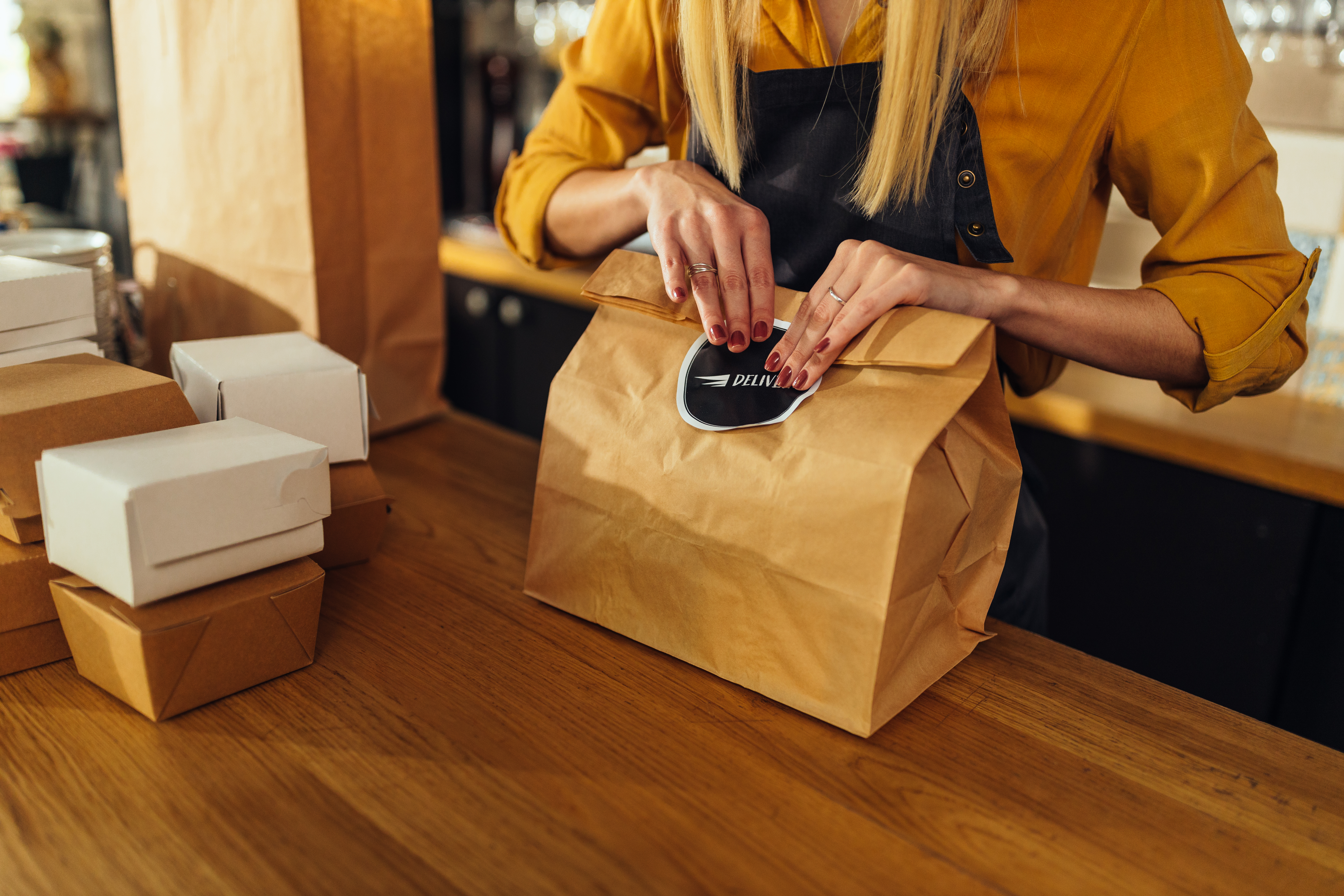
If there's one piece of advice to take from this issue, let it be this: direct your customers to order through Toast (or whichever direct ordering system lives on your website) whenever you can. There are no third-party fees eating into that sale, making it the highest-margin order you can get. From there, the rest of this issue is about making the most of the delivery apps you can't avoid, and using the data they give you to run a tighter operation.
Think of the major delivery platforms like the cola wars:
DoorDash is Coke. The market leader and the platform nearly every restaurant should be on because that's where most customers are.
Uber Eats is Pepsi. A strong second choice with a loyal customer base that can rival DoorDash in many urban markets.
Grubhub is RC Cola. It isn't the first platform most consumers think of anymore, but for restaurants with established delivery volume, or those in markets where Grubhub remains popular, it can still be a profitable addition.
That ranking matters most when you're deciding whether to go exclusive with one platform. Exclusivity is recommended only for restaurants with limited delivery capacity.
Once you've settled on your platform, the next step is tracking success the right way: monitor your sales by the hour. Do you know your restaurant's benchmark for sales per hour during peak service? Is DoorDash helping you beat those numbers? Or causing chaos in the kitchen?
A few other operational tips worth keeping in your back pocket:
Monitor wait times closely. Accurate wait times maximize volume and keep the kitchen workflow smooth. For busy restaurants with a sustained rush over 2 hours, build in opportunities for the kitchen to catch up and re-stock as needed.
Knowing when to Pause. Do you need to strategically pause delivery service to prioritize kitchen workflow for the dining room? Or do you need to create systems that can handle more volume?
Track reviews for additional feedback. Patterns across reviews — slow deliveries, cold food, wrong orders — often point to a fixable process issue before it shows up in your numbers.
Delivery companies will give you credit if there is an error. If you do have an issue during service, be sure to confirm with their customer service team that you'll be credited for any refires and check your reports to ensure you get it.
Delivery isn't the only third-party channel worth a look. On the catering side:
FoodA connects restaurants with offices through recurring workplace meal programs, creating consistent weekday lunch revenue.
ezCater connects restaurants with corporate catering opportunities, offering incremental business without the volume of the major delivery apps.
Finally, EHS is seeking feedback! Have you or someone you know tried owner.com or Ritual? There are a ton of options out there, and we want to hear about your experience.
Reminder:
Sales Tax in Chicago goes up .25% August 1st!


What are we listening to?
The Dining Table is a local podcast with PBS's “Check Please!” creator, David Manilow. David showcases the intimate stories that drive the business of food here in Chicago. We love to hear about what it takes to create signature Chicago flavor and his guests are all experts, from owners to restaurant architects.
What are we drinking?
We may be numbers nerds but we also love food and drink and are always out and about. Some of the folks we feature here are our clients and some aren't (YET!)
Wandered into the The Charleston in Bucktown the other night for a lovely summer evening sip. All of their drinks were fantastic and I love that several drinking establishments are bring back that midwestern pricing. Places like The Charleston and even Gus' Sip n Dip have all of their cocktails priced at $12, and Lemon on Grand and Ashland has their cocktails arranged by price on the menu. You can count on finding a great drink special at industry faves Best Intentions and Sportsman's Club. All of these spots feature thoughtful spirit free options as well. We love seeing Chicago on the forefront of making a night out accessible to more people. That's hospitality.
Visit our social accounts!


Comments